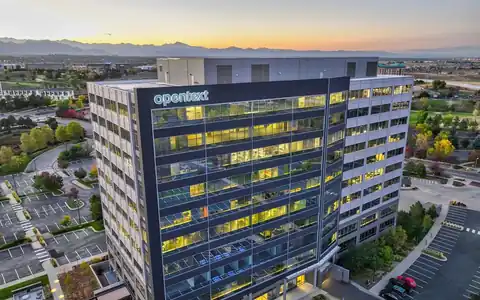
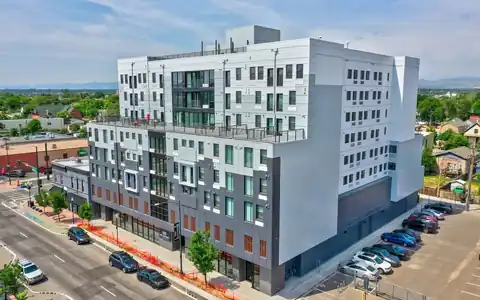
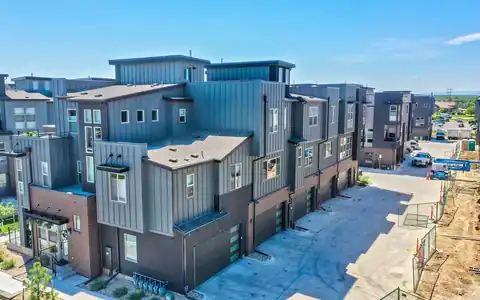
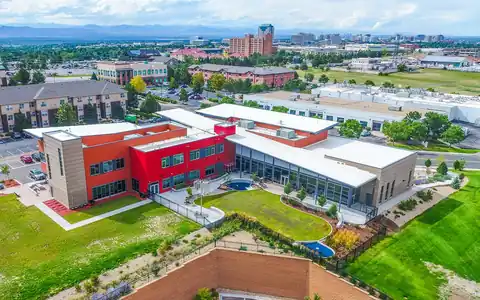
A commercial roof drone inspection in Denver replaces hours of walking a large, low-slope roof with a quick, systematic flight. Flat and low-slope roofs on warehouses, retail centers, and office buildings hold many items that need regular attention: drains, scuppers, curbs, HVAC units, parapets, seams, and penetrations. A drone captures them all in a consistent, reviewable set without sending a crew up for imagery.
Rocky Mountain Photography, founded in Denver in 2016 by brothers Jeff and Nick Perry, captures commercial roof imagery for property managers, facility teams, roofing consultants, and insurers. Our pilots are Part 107-certified and insured. We document the roof thoroughly and leave diagnosis to the qualified professionals who review it. That keeps the process clear and the data useful for everyone involved.
What we capture on commercial roofs
Commercial roof flights usually start with a full-roof overview and a top-down image of each roof section. From there, the pilot works systematically across the surface, capturing close-ups of drains and scuppers, rooftop units and curbs, skylights, expansion joints, parapets and coping, flashing at walls and penetrations, and any areas of ponding or debris. Edges and gutters are documented from the side. For multi-building sites like apartment communities or business parks, each building gets its own labeled set. When your team needs a scaled view, we fly a mapping pattern and produce an orthomosaic of the whole roof, which consultants use to mark up issues, plan repairs, and compare conditions between visits. Close-ups and the orthomosaic can be referenced together in one report.
How property and facility teams use the imagery
Property managers use dated roof sets to support maintenance planning and to show owners what work is needed. Facility teams for schools, churches, and corporate campuses track roofs across many buildings. Roofing consultants use the images to prepare scopes and bids without extra climbs. Insurance and restoration teams document conditions after hail or wind events, which are common along the Front Range. Buyers and lenders sometimes request roof imagery during due diligence on a commercial acquisition. Because the imagery is consistent from visit to visit, it also works well for annual or semiannual programs, giving owners a visual history of each roof. For pitched residential roofs, see our drone roof inspection page, which covers homes and townhome communities. Many owners also share the images with tenants or boards when explaining planned roof work.
Scheduling, access, and safety
Before flying, we check airspace authorization for each address, since many Denver commercial districts sit near controlled airspace, and request access through LAANC when needed. We coordinate with property management on access, parking for the pilot, and tenant notices. Takeoff usually happens from a parking lot or open area, though some sites allow rooftop launches. Weather matters: wind can limit flights, and standing water or snow can hide roof details, so we may wait a day after rain or a storm to capture accurate conditions. Flights over people are limited, so we avoid busy entrances and plan around shift changes. Next-day delivery is available on many photo shoots, while orthomosaics take additional processing time that we confirm when booking. We send a short prep checklist after booking.